Blog


+86 187 1949 7792 / +86 153 6091 1768
Oct. 30, 2026
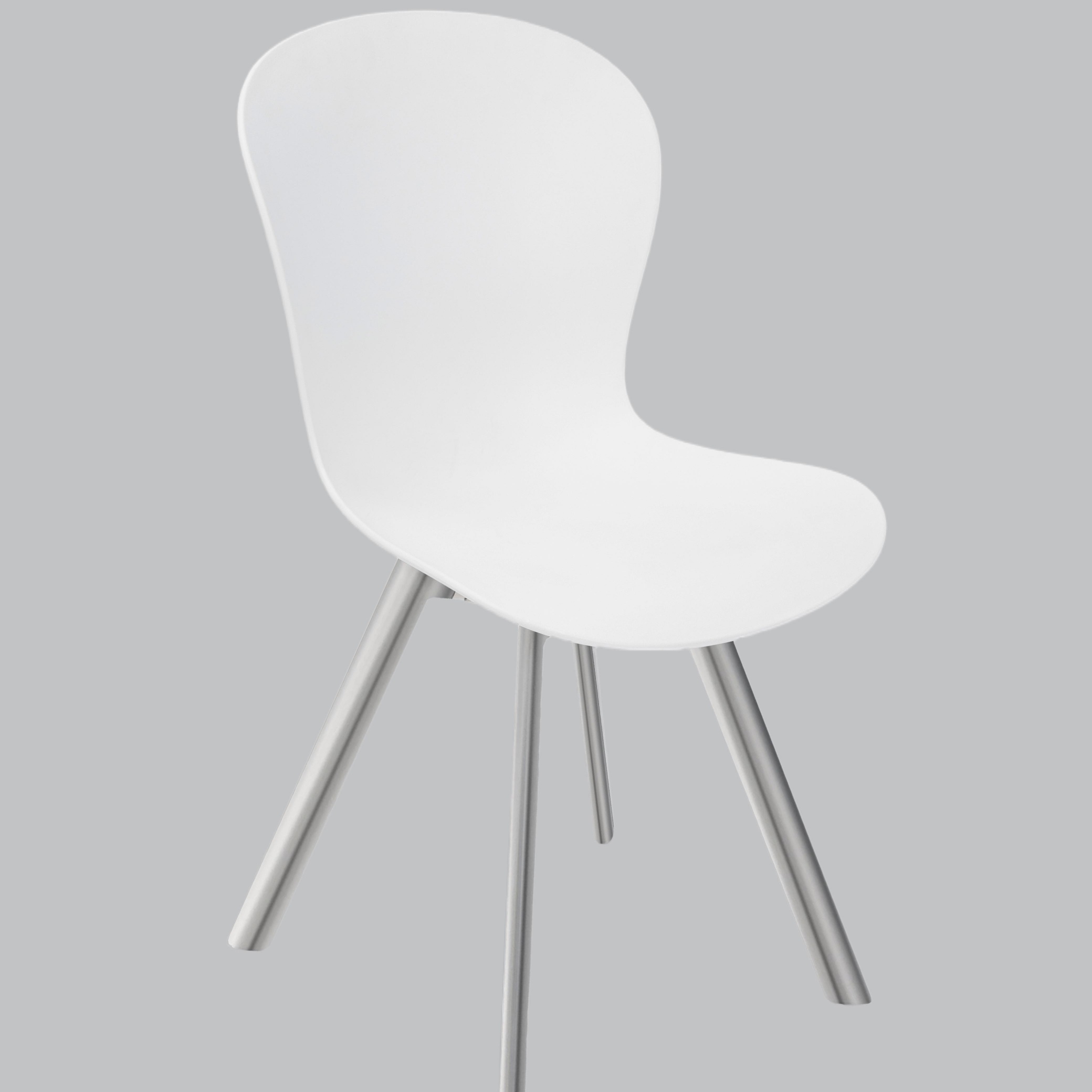
To choose metal dining chairs for commercial use, start with your room measurements, service conditions, cleaning routine, and documented performance requirements. When comparing commercial metal dining chairs and metal dining chairs for restaurants, assess durability, stackability, and cleanability alongside technical details such as steel gauge, weld integrity, and load rating. The right choice is the one that fits your floor plan and can be supported by evidence—not just a “commercial grade” label.
Evidence note: No independently verified buyer interview or project record was provided for this article. Rather than inventing a customer story or performance result, the steps below use a clearly labeled purchasing scenario: a restaurant team evaluating chairs for a busy dining room. Treat it as a practical workflow, not a reported case study.

A chair that works in a quiet café may not suit a high-turnover restaurant, an outdoor terrace, or a venue where staff move furniture between services. Define the operating conditions before comparing finishes or prices.
For example, in the restaurant-team scenario, the buyer should not choose a stackable model based on a catalog image alone. The team needs to verify how the chairs stack, whether staff can handle them comfortably, and whether the stored stack fits the designated area.
Preparation makes supplier quotes easier to compare and reduces the risk of selecting a chair that looks right but does not work in the room.
Check applicable local rules for circulation routes, accessible seating, and fire or egress requirements. Requirements depend on the project and jurisdiction; ask the project designer or relevant authority to confirm them rather than relying on a generic online dimension.
When contacting Notable or another Dining Chairs Manufacturer, request the same information for every model under consideration. A brand name or “heavy-duty” description is not a substitute for a specification or test document.
Tools: floor plan, tape measure, camera, and a chair or table already used in the space.
Action: Measure table dimensions, available seating positions, aisle routes, door openings, and storage locations. Mark the chair footprint on the plan and note any tight turns or obstacles.
Parameters: Use your measured site dimensions and the project’s circulation and accessibility requirements. Ask the supplier for a dimensioned drawing of each proposed chair; do not rely on product photos for fit.
Check: Compare the drawing and sample against the real table and route. Confirm that chairs can be pulled out and returned without blocking required paths.
If it fails: Rework the layout, consider a different chair footprint, or ask the supplier for another model. Have the project designer confirm any code-related clearance questions.
Tools: site-condition notes, finish samples, and the manufacturer’s written material and care specifications.
Action: Identify whether the frame is carbon steel, stainless steel, aluminum, or another material, and ask how the finish is applied. For steel chairs, powder coating is a common finish type; its suitability still depends on the preparation, application, use conditions, and maintenance instructions.
Parameters: Specify indoor or outdoor exposure, moisture, salt or poolside exposure if relevant, and the cleaning chemicals used at your venue. Ask for the finish system and its care limits in writing. If a supplier quotes steel gauge, ask which gauge convention and material specification it uses; gauge numbers cannot be compared reliably without that context.
Check: Inspect the sample for consistent coverage, exposed metal, sharp edges, coating damage, and finish details around joints and feet. Confirm that the sample’s finish matches the quoted production finish.
If it fails: Pause approval and request clarification, a corrected sample, or a finish better suited to the exposure. For coastal, chemical, or other demanding environments, obtain project-specific advice rather than assuming a material grade alone guarantees service life.
Tools: sample chair, inspection checklist, product drawing, and applicable test documentation.
Action: Inspect joints, welds, fasteners, frame alignment, seat attachment, and feet. Ask whether the design uses MIG welding or another joining method only if that information is relevant to your specification; the process name alone does not prove quality.
Parameters: Request reports that identify the tested model or explain how the tested model represents the quoted chair. Check the test method, configuration, results, and issuing organization. For non-domestic seating, ask whether EN 16139 is applicable to the product and market; confirm the relevant edition and project requirements with the supplier or specifier. EN 1022 addresses seating stability, but a stability document should not be treated as proof of every aspect of durability.
Check: Make sure the documentation is traceable to the product being purchased and covers the performance criteria your project requires. Examine the physical sample for rocking on a level floor, loose parts, visible cracks, or rough weld areas.
If it fails: Request the missing report, a written explanation of model equivalence, or a sample from the production specification. Do not substitute a vague “tested” claim for documentation.
Tools: sample chair, intended table, and a short feedback sheet for staff or representative users.
Action: Place the chair at the table and have users sit down, stand up, and use the table as they would during service. Check the seat, back, armrests if present, and contact points with the table.
Parameters: Compare the chair’s measured dimensions with the table and user needs. Include the actual seat height, seat width, overall depth, and arm height where applicable. Use project-specific accessibility and ergonomic guidance rather than assuming a single dimension suits everyone.
Check: Confirm that the chair fits under or around the table as intended, feels stable on the venue’s floor, and does not create a pinch point or obstruct neighboring seats.
If it fails: Test a different size or frame style and recheck the layout. Do not order solely on the basis of a showroom impression or a photograph.
Tools: manufacturer care instructions, the venue’s approved cleaning products, and a finish sample or approved trial chair.
Action: Ask the manufacturer to confirm the permitted cleaning method for the specific finish. If the supplier authorizes it, trial the routine on an inconspicuous area and follow the product label and site safety procedures.
Parameters: Use the venue’s real cleaning products, dilution instructions, contact time, cloths, and frequency. Do not introduce a chemical or abrasive test that the manufacturer has not approved.
Check: Look for changes such as discoloration, dulling, peeling, or damage after the approved trial and cleaning procedure. Record the product and method so staff can repeat the approved process.
If it fails: Stop using the product on the chairs and contact the supplier for compatible care guidance. If the finish cannot tolerate the venue’s required cleaning routine, select a different documented finish or chair.
Tools: sample chairs, storage-area measurements, and the manufacturer’s stacking instructions.
Action: Stack the chairs only as directed. Check how they nest, whether contact points protect the finish, and whether staff can move and store the stack safely.
Parameters: Record the permitted stacking configuration, the resulting stack dimensions, and any handling or storage limits stated by the manufacturer. Compare those measurements with the actual storage location.
Check: Confirm that the stack fits through the route and into storage, remains stable as instructed, and does not scrape or trap fingers during normal handling.
If it fails: Reduce the stack to the manufacturer’s permitted configuration, change the storage plan, or select a model designed for the handling routine. Never infer a safe stack limit from appearance alone.
Tools: written quotations, specification sheets, warranty documents, and a comparison table.
Action: Compare like with like: model, frame material, finish, dimensions, options, packaging, delivery terms, and documentation. Ask who handles warranty claims and whether feet, glides, or other service parts can be ordered.
Parameters: Record the quoted price, lead time, warranty coverage and exclusions, replacement-part availability, and any minimum order or finish conditions. Treat each as a written commercial term, not a verbal assurance.
Check: Confirm that the purchase order identifies the exact model and finish approved from the sample. Make sure any promised documents or spare parts are listed.
If it fails: Request a revised quote or written clarification before placing the order. A lower unit price may not represent a comparable offer if specifications, delivery terms, or warranty coverage differ.
Before approving an order, confirm that the chair fits the measured room and table, suits the indoor or outdoor conditions, works with the cleaning routine, and meets the project’s applicable safety and accessibility requirements. Review the material and finish specification, inspect a representative sample, and obtain traceable test documents for the exact model or a clearly explained equivalent. Confirm stacking instructions, warranty terms, replacement-part support, delivery details, and the approved finish on the purchase order.
For a verifiable buyer case study, request permission to document the venue, the chair model, the selection criteria, and the owner’s direct feedback. Keep measured outcomes separate from opinions, and do not publish durability or cost-saving claims without supporting records. That evidence-based approach makes it easier to compare Notable and other Dining Chairs Manufacturer options without relying on unsupported promises.